

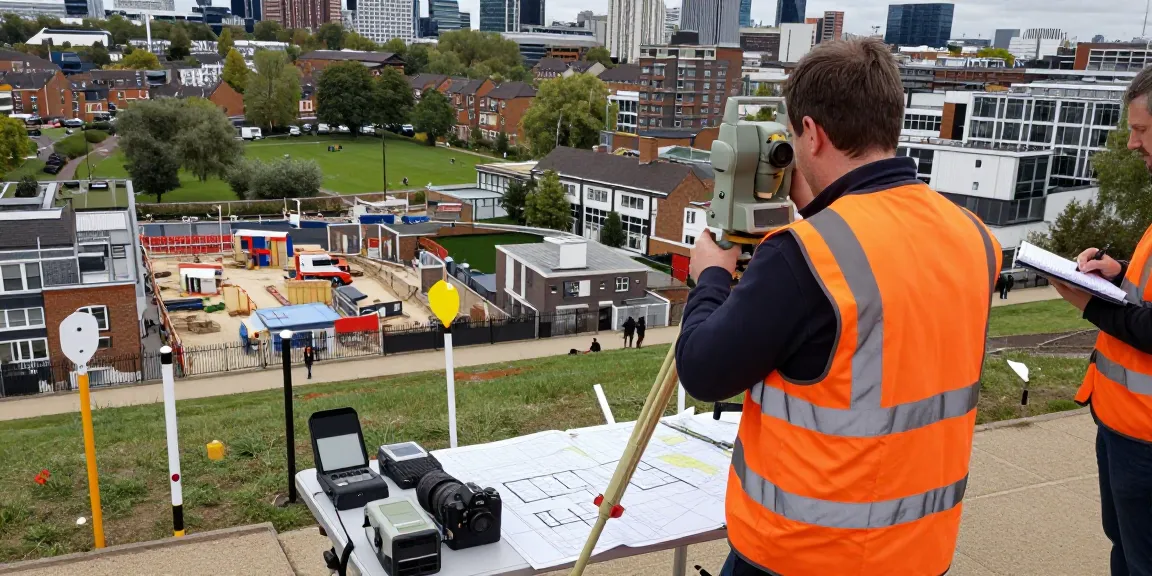
Understanding the Role of London Land Surveyors
London land surveyors play an essential role in facilitating construction and development across the capital and surrounding regions. Their expertise ensures that any planned project—whether a residential home, commercial building, or public infrastructure—is built on a solid foundation of accurate data and insights. By employing advanced technologies and methodologies, surveyors produce detailed maps of land and property, helping architects, engineers, and planners make informed decisions. When exploring options, London land surveyors provide comprehensive insights into topographical variations and potential challenges on a site.
What Do London Land Surveyors Do?
At the core of their duties, London land surveyors undertake topographical surveys, which involve mapping both natural and man-made features of a given area. This includes recording the elevations, contours, and existing structures that could impact the proposed project. By gathering this data, they create a comprehensive picture of the site’s characteristics, which is vital for any development work.
Surveyors also assist with boundary determinations, providing legal clarity regarding property lines. Their input is crucial during the planning applications phase, ensuring that new projects comply with local regulations. Essentially, their work lays the groundwork for successful development, preventing future disputes and costly modifications.
Importance of Accurate Topographical Surveys
Topographical surveys stand as a backbone for any construction or landscaping project. The accuracy of these surveys directly impacts the subsequent design phase. A well-executed survey captures critical site information, including:
- Elevation changes
- Soil conditions
- Drainage patterns
- Existing vegetation and wildlife habitats
Having this information helps architects and engineers design structures that are not only functional but also safe and sustainable. It mitigates risks associated with unforeseen site conditions and ensures compliance with planning regulations.
Key Stakeholders Who Need Surveying Services
Numerous stakeholders depend on the expertise of London land surveyors. These include:
- Architects: For informed design decisions based on accurate ground conditions.
- Builders: To ensure that construction aligns perfectly with site specifications.
- Local authorities: For approving planning applications and ensuring compliance with regulations.
- Property developers: To assess land viability before investment.
The Technologies Behind Modern Surveying
Modern surveying techniques employ a variety of sophisticated tools and technologies designed to gather accurate data efficiently. The introduction of innovative equipment has transformed traditional surveying practices, improving both speed and accuracy.
Equipment Utilised by London Land Surveyors
Some of the key technologies employed by surveyors today include:
- Total Station Instruments: Combining theodolites and electronic distance measurement (EDM) technology, these instruments measure angles and distances to provide pinpoint accuracy.
- GPS Surveying Equipment (GNSS): Essential for large or open sites, GNSS allows for quick and precise point positioning.
- 3D Laser Scanners (LiDAR): Captures millions of data points per second, offering detailed 3D models of complex terrains.
- Unmanned Aerial Vehicles (Drones): Ideal for mapping hard-to-reach areas from above, equipped with high-resolution cameras.
- Digital Level Instruments: Used for measuring height changes in conjunction with other survey methods.
Innovative Surveying Techniques in 2026
As of 2026, surveying practices have seen significant advancements. The integration of machine learning and artificial intelligence allows for more accurate data analysis and prediction of potential site issues. Additionally, augmented reality (AR) tools are being utilised to visualise survey data in real-time, enabling stakeholders to better understand site constraints during the design process.
Impact of Technology on Survey Accuracy and Efficiency
The use of modern technologies has drastically enhanced survey accuracy and efficiency. With tools like 3D laser scanning and drone technology, surveys can be completed in a fraction of the time it once took traditional methods. This reduction in time and increase in precision ensures that projects stay on schedule and within budget.
Why You Need a Topographical Survey Before Development
Before embarking on any construction or development project, conducting a topographical survey is not just advisable—it’s essential. Understanding the site conditions can prevent costly mistakes down the line, ensuring smoother execution of the project.
Risks of Not Conducting a Survey
Neglecting to perform a topographical survey can lead to numerous risks, including:
- Structural issues due to unaccounted elevation changes.
- Legal disputes over property boundaries.
- Financial losses associated with redesigning projects post-commencement.
- Non-compliance with local building regulations, potentially halting work.
How Surveys Support Planning Applications
Local authorities frequently require topographical surveys as part of the planning process. These surveys provide crucial evidence that the proposed developments are suitable for the specific site, taking into account local laws and environmental considerations.
Case Studies of Successful Projects
Many successful projects have their roots in accurate topographical surveys. For instance, in London, a residential complex successfully integrated existing landscape features thanks to detailed survey data, which identified key elevations and drainage paths, enhancing the overall design and sustainability of the project.
Costs and Considerations for Surveying Services in London
Understanding the financial aspect of surveying is essential for effective project budgeting. While prices can vary widely, knowing the factors that influence costs can help stakeholders make informed decisions.
Understanding Survey Pricing Structures
Survey pricing typically reflects the complexity of the site and the level of detail required. For small residential plots, costs may start from £450-£750, while large commercial developments or infrastructure projects could exceed £1,500.
Factors Affecting Survey Costs
Several factors influence survey costs, including:
- Site size and complexity: Larger and more complex sites require more time and resources.
- Accessibility: Difficult-to-reach areas may require additional equipment or methods, such as drones.
- Project urgency: Rush requests typically incur additional fees.
Getting Value for Your Investment
Investing in a topographical survey often pays off by preventing future complications and unexpected costs. A precise survey provides the data necessary for effective planning and execution, ensuring that your project remains on track and within budget.
Future Trends in Land Surveying
The field of surveying is constantly evolving, particularly with the advent of new technologies and methodologies. Understanding these trends can help stakeholders stay ahead of the curve.
Anticipated Changes in Surveying Practices by 2026
By 2026, we can expect to see even more robust integration of artificial intelligence (AI) and machine learning in surveying practices. These technologies will analyze historical data, allowing for better predictions regarding site conditions and risks.
The Role of Drones and 3D Scanning Technologies
Drones have already begun to revolutionise how surveys are conducted, and their role will only grow. Paired with 3D scanning technologies, drones can deliver comprehensive site data in record time, providing valuable insights for complex projects.
Environmental and Regulatory Considerations
As environmental concerns gain prominence, surveyors will increasingly need to account for sustainability in their work. This includes assessing environmental impacts and ensuring compliance with emerging regulations aimed at protecting the environment.
What types of surveys do London land surveyors perform?
London land surveyors perform various surveys, including topographical, boundary, building, and measured surveys. Each type serves a specific purpose and is vital for different aspects of planning and development.
How long does a topographical survey take?
The duration of a topographical survey can vary based on site complexity and size. Generally, small sites may be surveyed within a day, while larger projects could take several days to complete.
What should I expect from a topographical survey report?
A typical topographical survey report will include detailed maps and data regarding the site’s features, including contours, elevations, and significant obstacles. It will provide all the necessary information to assist in the planning and design process.
Are London land surveyors licensed or certified?
Yes, reputable London land surveyors are typically licensed and certified to ensure adherence to industry standards and practices. This ensures quality and compliance with relevant regulations.
How can I choose the right surveyor for my project?
When selecting a surveyor, consider their experience, certifications, and reputation. Seek recommendations and review past projects to ensure they have the expertise relevant to your specific needs.
